As Singapore’s ecommerce market races toward USD 500 billion by 2033—growing at a steady 6.5% annually—brands face a critical challenge: how to fulfill orders efficiently without sacrificing margins or customer satisfaction. Ecommerce fulfillment in Singapore has evolved from a cost center into a competitive differentiator, separating market leaders from struggling retailers. The complexity isn’t just about storing boxes and shipping packages anymore; it’s about orchestrating an intricate dance of inventory management, real-time tracking, quality assurance, and last-mile delivery that meets customer expectations for speed and reliability. This guide breaks down everything you need to know to build a fulfillment strategy that scales with your growth and positions your brand for success in 2026 and beyond.
What is Ecommerce Fulfillment, and Why Does It Matter?
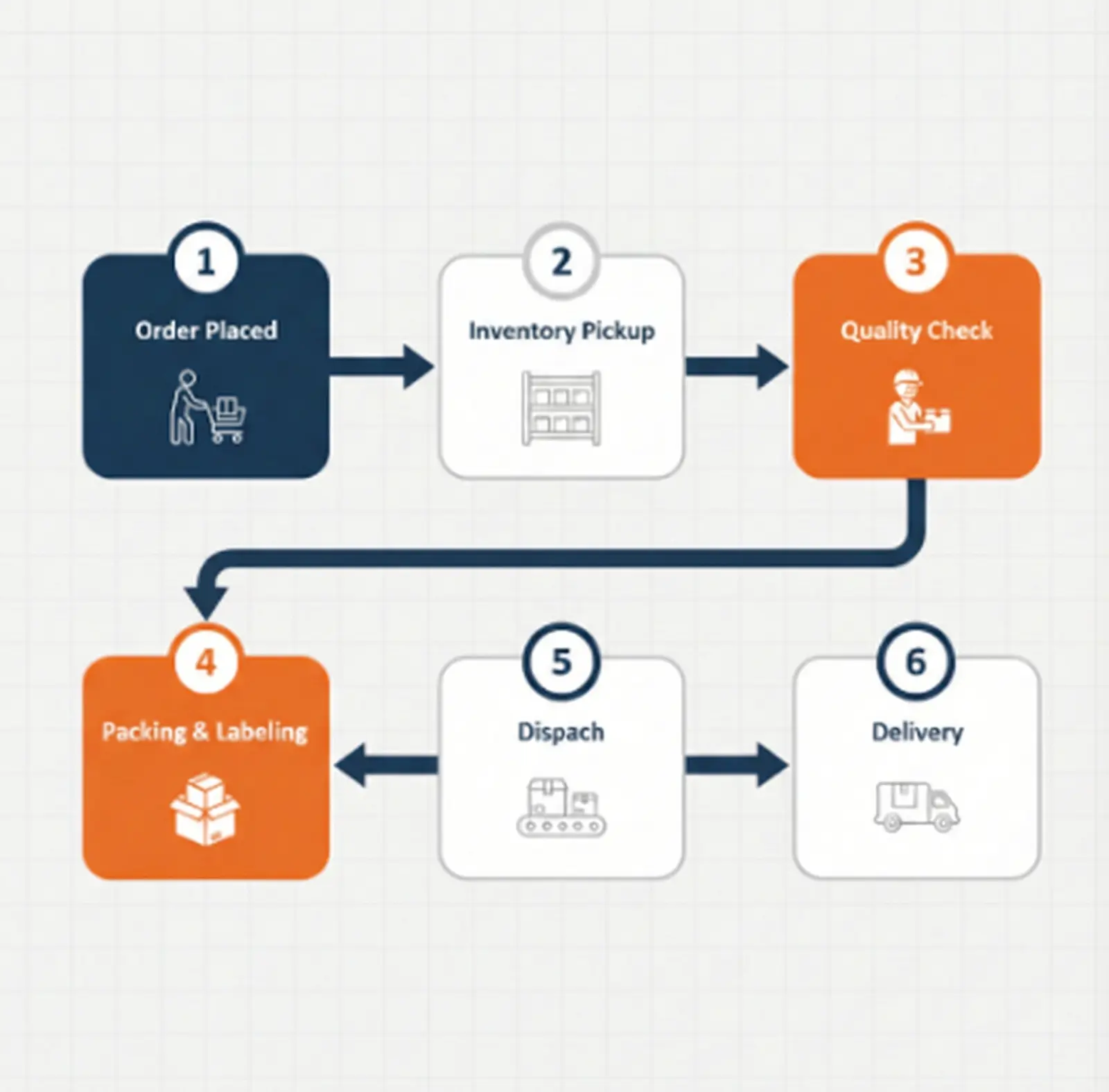
Ecommerce fulfillment is the complete process of receiving inventory, storing it safely, picking items based on customer orders, packing them carefully, and ensuring they reach the customer’s doorstep on time. In Singapore’s context, ecommerce fulfillment in Singapore extends beyond these basics—it encompasses inventory management, warehouse operations, last-mile delivery coordination, and increasingly, returns processing and reverse logistics.
Unlike traditional retail, ecommerce fulfillment operates 24/7 during peak seasons, demands precision to minimize picking errors, and requires real-time visibility into stock levels. When a customer places an order on Lazada, Shopee, or your D2C store, the fulfillment chain kicks in immediately. One delayed order or lost shipment directly impacts your brand reputation and customer lifetime value. This is why partnering with a reliable third-party logistics provider (3PL) or investing in your own fulfillment warehouse in Singapore has become non-negotiable for scaling brands.
Why Ecommerce Fulfillment Logistics Matters for Your Bottom Line
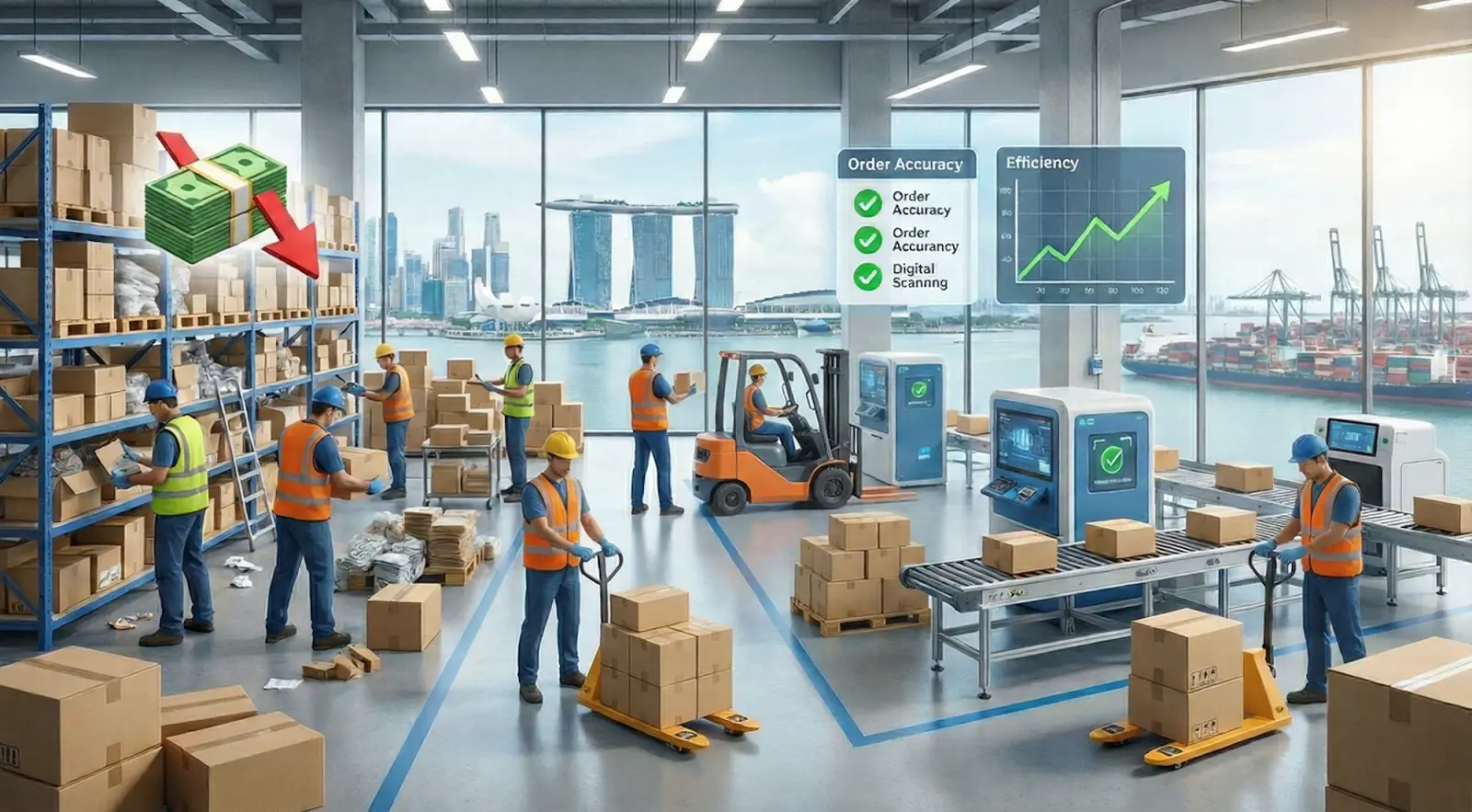
The numbers tell the story. Brands that optimize ecommerce logistics in Singapore report up to 30% improvements in order accuracy and 25% faster delivery times compared to manual or fragmented systems. Here’s why this matters:
Customer Satisfaction and Retention → Fast, accurate order fulfillment directly drives repeat purchases. Singaporean consumers expect same-day or next-day delivery options, and meeting these expectations builds loyalty.
Cost Efficiency → Professional inventory management in Singapore reduces carrying costs, minimizes stockouts, and prevents overstock situations that tie up capital.
Competitive Edge → With major players like Lazada and Shopee setting high fulfillment standards, your own operations must match or exceed them to remain competitive. Brands that provide real-time tracking, flexible delivery options, and hassle-free returns win market share.
Scalability → As your business grows from 100 orders daily to 1,000+, your fulfillment infrastructure must scale seamlessly. Outsourcing to a 3PL provider eliminates the need to invest heavily in warehousing facilities while maintaining service quality.
The Current State of Ecommerce Fulfillment in Singapore 2026
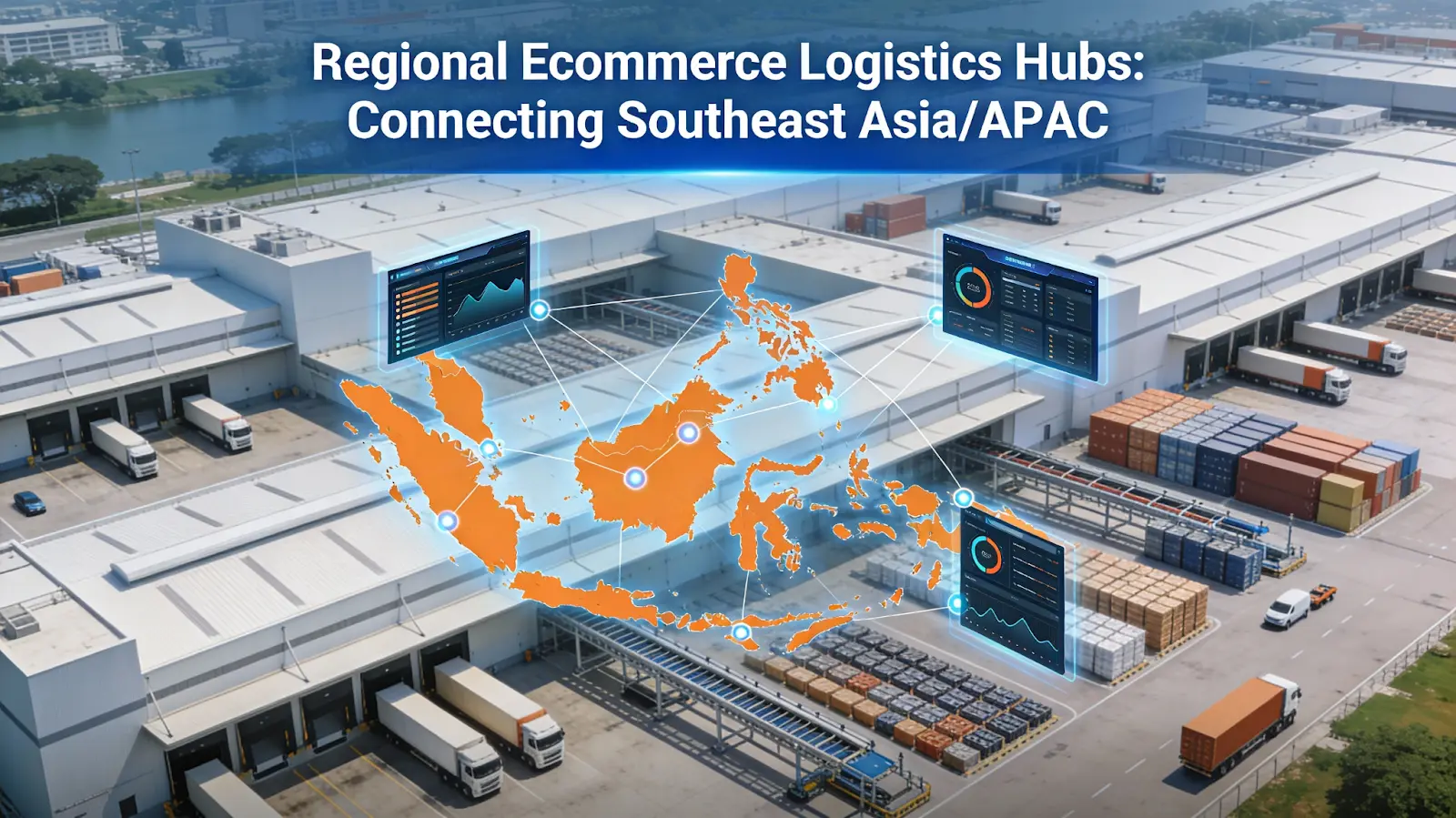
Singapore’s position as a regional ecommerce logistics hub stems from several unique advantages: its strategic geographic location, world-class port infrastructure, advanced digital connectivity, and business-friendly regulatory environment. The market data reflects this strength.
Market Size and Growth Trajectory
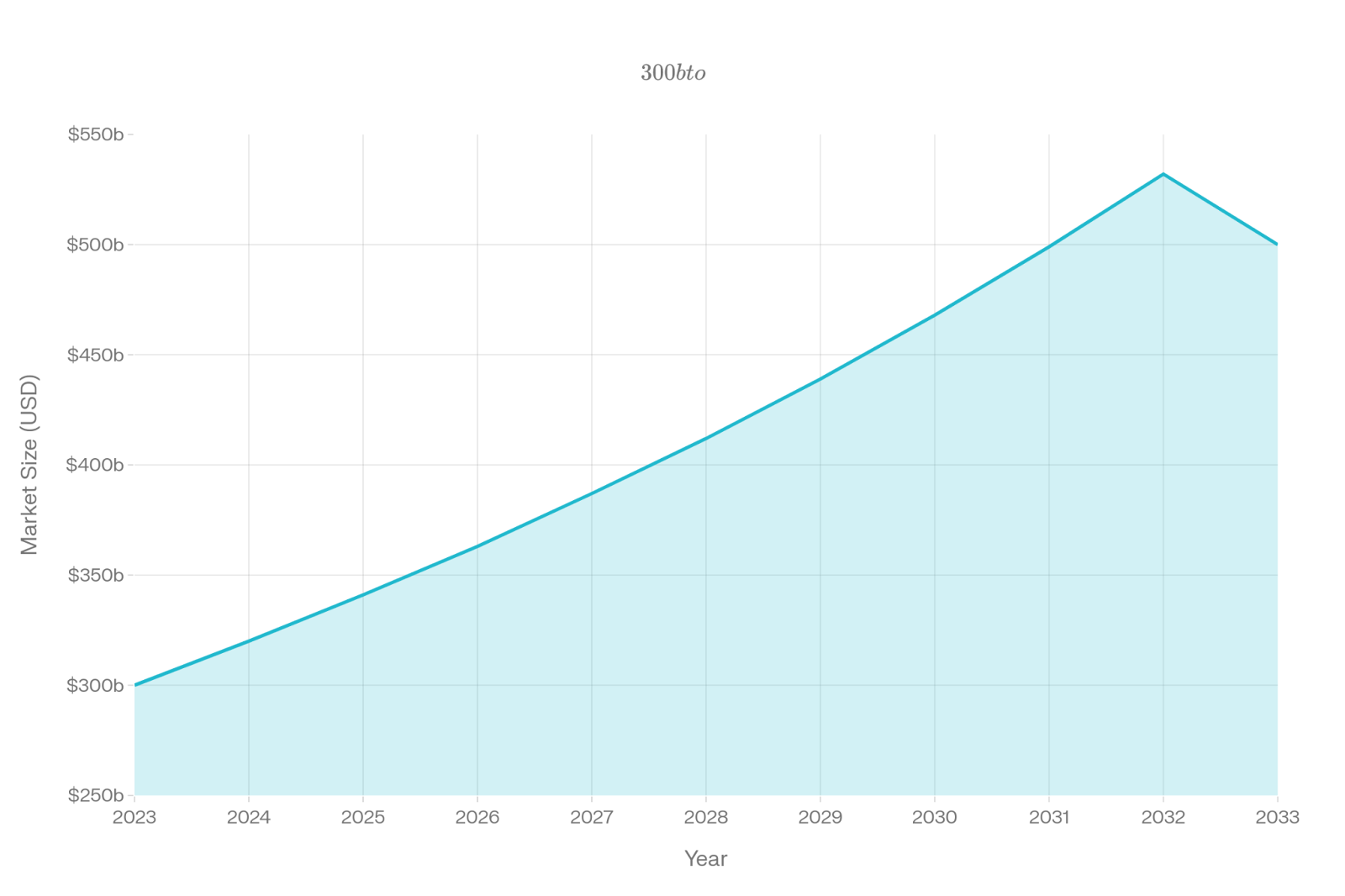
The ecommerce fulfillment sector in Singapore was valued at USD 300 billion in 2024 and is projected to reach USD 500 billion by 2033. This growth is driven by three primary factors:
- Rising ecommerce adoption: Mobile commerce accounts for 84% of online purchases in Singapore, with consumers increasingly comfortable buying from brands they’ve never interacted with offline.
- Cross-border ecommerce expansion: Singaporean sellers are exporting to regional and global markets, while international brands establish distribution centers in Singapore to serve Southeast Asia.
- B2B ecommerce acceleration: The B2B segment alone is expected to grow from USD 5 billion (2024) to USD 8.4 billion (2029), creating massive fulfillment demand for bulk orders and specialized packaging.
Current Market Dynamics
The Singapore fulfillment landscape is bifurcated: larger enterprises invest in proprietary warehousing and automation, while SMEs and growing D2C brands increasingly turn to specialized 3PL providers. This fragmentation creates opportunities for providers offering flexible, scalable solutions without long-term capital commitments.
Technology Reshaping Fulfillment: Industry 4.0 in Practice
The fulfillment operations of 2026 bear little resemblance to those of five years ago. Industry 4.0 technologies—Internet of Things (IoT), artificial intelligence (AI), robotics, and advanced data analytics—are not futuristic concepts anymore; they’re operational necessities.
Real-Time Inventory Management
Smart warehouse systems using IoT sensors provide granular visibility into stock levels, location, and condition of every SKU. When integrated with AI-driven demand forecasting, these systems predict which products will sell next week, automatically triggering replenishment orders before stockouts occur. Singapore’s dense urban environment makes space premium; automation ensures warehouses use every cubic meter efficiently.
Automated Guided Vehicles (AGVs) and Robotics
Leading fulfillment centers now deploy AGVs to move totes between picking stations, reducing manual handling time by 40-50%. Robotic arms handle repetitive tasks like sorting, labeling, and palletizing with near-perfect accuracy. The labor cost savings are significant, but the real advantage is speed: a system with robotics processes 50% more orders in the same timeframe.
AI-Powered Route Optimization
Last-mile delivery consumes 50-60% of total logistics costs. AI algorithms analyze traffic patterns, delivery windows, vehicle capacity, and customer preferences to create optimal routes that reduce fuel consumption and delivery times simultaneously. Brands using AI route optimization report 15-20% reductions in delivery costs.
Omnichannel Order Fulfillment
Modern fulfillment platforms orchestrate inventory across multiple channels—your Shopify store, Lazada, TikTok Shop, and physical outlets—as a single unified system. This prevents overselling and ensures consistent delivery experience regardless of where the customer purchased.
Regulatory Landscape and Compliance Requirements
Singapore’s regulatory environment, while business-friendly, requires adherence to strict standards that directly impact fulfillment operations.
Personal Data Protection Act (PDPA)
Every customer order contains sensitive personal data. PDPA compliance demands that fulfillment partners implement robust cybersecurity measures, limit data access, and maintain audit trails. Ensure your 3PL provider holds PDPA compliance certification.
Customs and Cross-Border Requirements
For brands engaged in cross-border ecommerce, Singapore Customs procedures are becoming more streamlined but also more digitized. Real-time inventory tracking systems integrated with customs pre-clearance systems reduce border delays and documentation errors.
Sustainability Mandates
Singapore’s Green Plan 2030 encourages fulfillment centers to adopt energy-efficient practices, use electric delivery vehicles, and employ sustainable packaging. Some brands are finding that sustainability compliance doubles as a marketing advantage with eco-conscious consumers.
Key Challenges in Singapore Ecommerce Fulfillment and How to Solve Them
Challenge 1: Space Constraints and Rising Rental Costs
Solution: Vertical warehousing maximizes capacity. Partner with a 3PL provider with multiple facilities or negotiate shared warehouse space during off-peak seasons. Automated systems reduce floor space needed per order by 25-30%.
Challenge 2: Peak Season Capacity Overload
Solution: Flexible 3PL partnerships allow you to scale warehouse space and labor during peak shopping seasons (Black Friday, Cyber Monday, 11.11 without long-term commitments.
Challenge 3: Last-Mile Delivery Costs
Solution: Implement dynamic pricing for shipping, offer pickup points or click-and-collect options, and use AI route optimization. Consolidate multiple small orders into single shipments when feasible.
Challenge 4: Returns and Reverse Logistics
Solution: Establish clear return policies, pre-authorize returns to reduce processing time, and implement quality checks to identify restockable vs. defective items quickly. Many 3PLs now specialize in returns management.
Challenge 5: Labor Shortages and Wage Inflation
Solution: Automation and efficient processes reduce labor dependency. Invest in staff training for higher-value tasks like quality assurance and customer service rather than manual picking.
Best Practices for Scaling Your Fulfillment Operations in 2026
1. Choose the Right Fulfillment Model for Your Growth Stage
In-House Warehousing: Full control and customization, but requires significant capital investment, operational expertise, and commitment to managing staff. Suitable for brands with consistent, high-volume operations and complex requirements.
3PL Partnership (Recommended for Most Scaling Brands): Provides flexibility, scalability, and access to advanced technology without capital investment. Your 3PL scales with you, absorbing peak season surges and geographic expansion.
Hybrid Model: Keep fast-moving inventory in-house while partnering with 3PLs for overflow and geographic coverage. Provides flexibility and risk distribution.
2. Invest in Supply Chain Visibility
Implement a fulfillment management platform that integrates your ecommerce store, 3PL warehouse operations, shipping carriers, and customer touchpoints. Real-time dashboards show order status, inventory levels, and delivery performance. Transparency builds customer trust and enables faster problem resolution.
3. Prioritize Inventory Accuracy
Implement cycle counting (regular, ongoing counts of inventory sections) rather than annual physical counts to maintain accuracy above 99%. Use barcode scanning for every pick operation. RFID tags provide even higher accuracy. Inventory inaccuracy is the hidden killer of fulfillment operations—one miscount cascades into overselling, delayed orders, and customer dissatisfaction.
4. Optimize Product Packaging
Standardize packaging sizes to reduce dimensional weight charges from carriers. Use right-sized boxes rather than oversized ones. Recyclable, eco-friendly packaging appeals to modern consumers and complies with Singapore’s sustainability mandates. Test various package designs to find the optimal balance between protection, cost, and unboxing experience.
5. Build Carrier Relationships
Negotiate volume discounts with multiple carriers (DHL, FedEx, DPD) and establish service level agreements (SLAs) that guarantee pickup times and delivery standards. Diversifying carriers protects against service disruptions and provides backup capacity during peak seasons.
6. Implement Performance Metrics and KPIs
Track Order Cycle Time (average time from order to delivery), Perfect Order Rate (orders with no errors, damage, or delays), Inventory Turns (how many times you sell and replace inventory), and Cost Per Order (total fulfillment cost divided by orders processed). Analyze these metrics weekly to identify improvement opportunities.
7. Plan for Cross-Border Expansion
If expanding regionally or globally, familiarize yourself with import duties, tax implications (GST/VAT), and country-specific regulations. Many 3PLs offer cross-border expertise and can handle landed cost calculations, customs documentation, and local last-mile delivery.