I sat across from Michelle last Tuesday at a coffee shop in Tanjong Pagar. She runs a skincare brand that’s doing about 1,200 orders a month across Shopee, her Shopify store, and a small retail presence. Growth has been steady, and she’s ready to stop packing orders from her spare bedroom. She needs a fulfillment warehouse in Singapore.
“I’ve contacted eight providers,” she told me, scrolling through her email inbox. “The cheapest one wants SGD 1,800 per month just to start, plus SGD 2.50 per order, plus storage. That’s over SGD 5,000 monthly before I even account for shipping. I can’t afford that.”
Michelle’s problem isn’t unique. Across Singapore, SME ecommerce sellers are discovering that the fulfillment warehouse in Singapore they need—reliable, flexible, and affordable—doesn’t seem to exist. Or if it does, it’s already full, has a six-month waiting list, or requires minimum commitments that are out of reach.
This isn’t just frustration. It’s a structural problem. And understanding why it exists is the first step to finding a solution that actually works for your business and your budget.
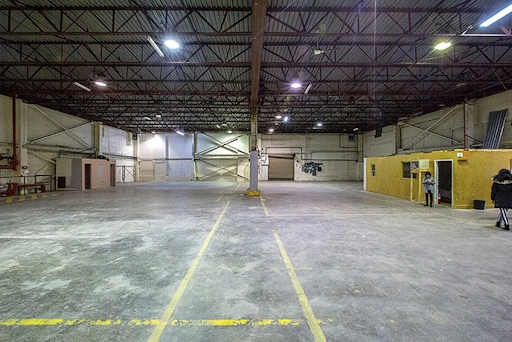
Warehouse Space For Rent in Singapore
Why Finding an Affordable Fulfillment Warehouse in Singapore Is So Difficult
1. Singapore Has a Physical Space Problem
Singapore’s total land area is 734 square kilometers. That’s roughly half the size of Hong Kong and a fraction of comparable logistics hubs like Bangkok or Jakarta. Industrial and warehouse space isn’t just expensive—it’s genuinely scarce.
According to Cushman & Wakefield, prime logistics rental rates in Singapore reached SGD 1.79 per square foot per month in Q1 2026, with suburban business parks and warehouses growing at 1.5–1.7% quarter-over-quarter. For a 5,000 square foot facility, that’s SGD 8,950 per month in rent alone—before utilities, staff, systems, or any operational costs.
Most SMEs processing 500–1,500 orders monthly can’t justify that expense. But traditional fulfillment warehouse in Singapore operators need to hit minimum revenue thresholds to cover their fixed costs, so they set minimums (often 5,000+ orders/month or SGD 2,000–3,000/month) that price out smaller brands.
2. Demand for Modern Logistics Facilities Outpaces Supply
Singapore’s warehousing and storage market is projected to grow at 6% CAGR from 2026 to 2032, driven by ecommerce expansion, regional supply chain growth, and the shift toward micro-fulfillment centers closer to consumers.
But here’s the problem: new warehouse supply isn’t keeping pace. Savills reports that the supply pipeline for multiple-user factories and warehouses remains subdued, keeping availability of modern, high-specification stock extremely tight. Prime logistics developments like the Mapletree Joo Koon Logistics Hub are often pre-committed before completion, leaving little accessible capacity for SMEs entering the market.
Translation: the fulfillment warehouse in Singapore you need is probably already leased to a larger enterprise or an established 3PL with long-term contracts.
3. Labor Shortages Are Pushing Costs Up
Singapore faces a persistent labor shortage in the logistics sector, driven by demographic shifts, rising wages, and stricter immigration policies. This forces warehouse operators to invest heavily in automation—robotics, automated guided vehicles (AGVs), and high-rise shelf systems—which increases their capital expenditure and, consequently, the rates they need to charge to achieve ROI.
While these investments reduce long-term operational costs and improve accuracy, they create a short-term affordability gap for SMEs. The providers investing in automation need higher volumes to justify the spend, so they target mid-to-large brands rather than businesses processing a few hundred orders monthly.
4. Traditional Warehousing Models Don’t Fit SME Needs
Most industrial warehouse leases in Singapore require multi-year commitments (2–3 years minimum) with fixed monthly costs regardless of your actual usage. For a growing ecommerce brand, that’s terrifying. What if your campaign doesn’t work? What if demand drops seasonally? You’re locked into paying for capacity you’re not using.
SMEs need flexible, pay-as-you-use models that scale up during peak seasons (11.11, 12.12, Chinese New Year) and scale down during quiet months. But traditional warehouse landlords and many older 3PLs don’t operate that way—they need predictable, long-term tenants to cover their own fixed costs.
What You Should Actually Be Paying (And Why Your Quotes Are Higher)
Let’s establish realistic budget expectations for ecommerce fulfilment in Singapore at different scales.
For 300–500 Orders/Month (Micro SME)
Monthly breakdown:
- Storage: SGD 80–150 (assuming 1–2 pallets or 1–2 cubic meters)
- Pick-and-pack: SGD 2–3 × 400 orders = SGD 800–1200
- Receiving: SGD 40–60 (1–2 inbound shipments monthly)
- Account/platform fees: SGD 50–100 (if charged separately)
- Shipping: Variable, but SGD 2.50–4.50 per domestic order = SGD 1,000–1,800
Total monthly cost: SGD 1,920–3,310 before shipping
If you’re being quoted SGD 4,000–5,000 monthly at this volume, you’re either working with a provider whose minimums don’t fit your scale, or you’re paying for services/features you don’t actually need.
For 1,000–1,500 Orders/Month (Growing SME)
Monthly breakdown:
- Storage: SGD 200–400 (3–5 cubic meters)
- Pick-and-pack: SGD 2–3 × 1,250 orders = SGD 2,500–3,750
- Receiving: SGD 80–150 (3–4 inbound shipments)
- Account fees: SGD 100–200
- Shipping: SGD 3,125–5,625 (at SGD 2.50–4.50 per order)
Total monthly cost: SGD 6,005–10,125 before add-ons
This is the scale where partnering with a professional ecommerce logistics in Singapore provider starts making clear financial sense—their bulk shipping rates and operational efficiency offset their service fees.
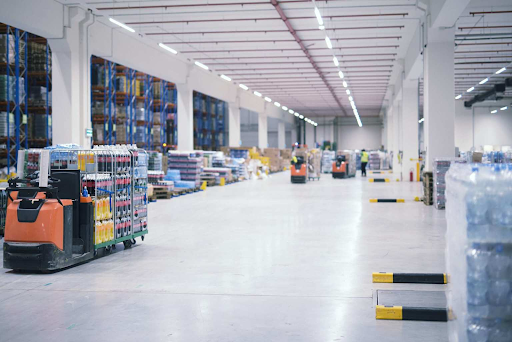
Singapore E-Commerce Fulfillment: Local Warehouse vs Cross-Border Stocking
The 5 Solutions That Actually Work for Budget-Conscious SMEs
Solution 1: Flexible, Pay-As-You-Use 3PL Providers
Providers like Locad, uParcel, Loft Logistics, and similar platforms offer no lock-in contracts, flexible storage, and transparent per-order pricing. You’re not renting a warehouse—you’re buying fulfillment services on demand.
Why it works: You only pay for the cubic meters you actually occupy and the orders you actually process. During slow months, your costs drop automatically. During peak seasons, the infrastructure scales without you needing to manage it.
What to look for:
- Free trial storage periods (Locad offers 30 days free on first inbound)
- Transparent pricing calculators you can use before signing up
- No minimum order commitments
- Per-order pricing that includes storage amortization
Solution 2: Shared or Co-Working Warehouse Spaces
Spaceship and similar providers offer shared warehouse spaces starting from SGD 280/month for 80–200 square feet, with short and long-term options. This works especially well for brands that want physical access to their inventory but don’t need 24/7 fulfillment services yet.
Why it works: You get affordable physical space without committing to an entire warehouse. You can pack orders yourself or hire part-time staff during busy periods, keeping labor costs variable.
What to look for:
- Proximity to your own location (you’ll be visiting regularly)
- Included utilities (air-con, power, internet)
- Flexibility to upgrade to larger spaces as you grow
Solution 3: Hybrid Model—Store Most, Fulfill Through 3PL
Instead of storing your entire catalog at a premium fulfillment warehouse in Singapore, keep 80% of your inventory in lower-cost storage (like Spaceship or a budget warehouse) and only send your fastest-moving 20% to a 3PL for rapid fulfillment.
Why it works: You get the speed and professionalism of ecommerce fulfilment in Singapore for your high-velocity products, while your slower-moving SKUs sit in cheaper storage that you restock to the 3PL as needed.
What to look for:
- A 3PL that allows frequent, small replenishment shipments without punitive receiving fees
- Close geographic proximity between your storage and the 3PL so transfers are fast and cheap
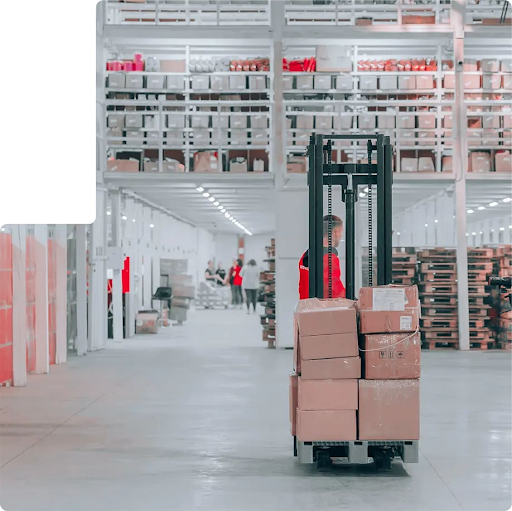
Best Order Fulfillment Service in Singapore
Solution 4: Leverage a Regional Ecommerce Logistics Hub
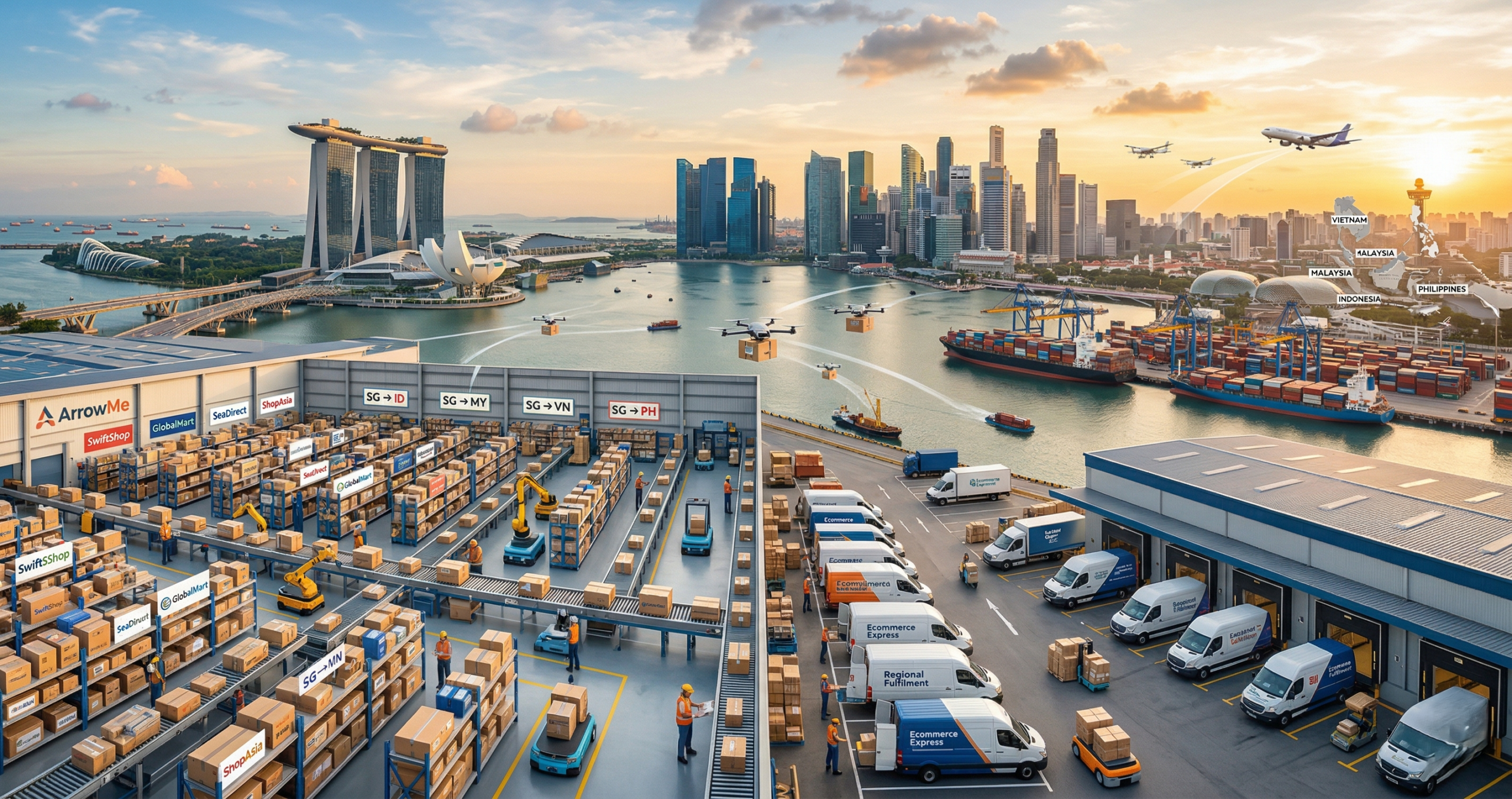
If your growth strategy includes cross-border selling into Malaysia, Indonesia, Thailand, or other APAC markets, consider working with a regional ecommerce logistics hub that consolidates inventory in Singapore and distributes regionally.
Why it works: You avoid setting up separate fulfillment in each country (which multiplies your warehouse costs 3–5x). Instead, you hold inventory centrally in Singapore and leverage the hub’s established cross-border carrier relationships and customs expertise.
What to look for:
- Free Trade Zone (FTZ) capabilities so you don’t pay GST on inventory until it’s released into the Singapore market or shipped onward
- Pre-negotiated carrier rates for regional destinations
- Multi-channel integration (Shopee, Lazada, TikTok across multiple countries)
Solution 5: Negotiate Better by Understanding True Costs
When a fulfillment warehouse in Singapore quotes you SGD 5,000 monthly, they’re factoring in their own costs: rent (SGD 1.50–2.50/sqft), labor (SGD 2,500–3,500 per warehouse worker), systems, utilities, insurance, and margin.
But if you’re processing 800 orders monthly, you’re not using enough space or labor to justify that number. The quote is inflated either because they have high minimums or because they haven’t customized the pricing to your actual profile.
How to negotiate:
- Provide exact order volume, SKU count, product dimensions, and monthly inbound frequency
- Ask for a blended cost-per-order that amortizes storage across your volume
- Request month-to-month terms for the first 3 months so you can validate performance before committing
- Compare at least three providers and use competing quotes as leverage
What Michelle Did (And What Happened Next)
Back to Michelle, the skincare founder. After our conversation, she made three changes:
- She stopped looking for traditional warehouse leases and focused on flexible 3PL providers with no minimums
- She used ArrowMe’s free 30-day trial to test their service without upfront cost
- She negotiated month-to-month terms for the first quarter to validate the partnership before committing long-term
Three months later, her monthly fulfillment costs landed at SGD 3,200–3,800 for 1,200 orders—about 35% lower than her original quotes. More importantly, she freed up 15–20 hours per week previously spent packing orders, which she redirected into product development and Instagram content.
That’s the difference between a fulfillment warehouse in Singapore that fits your budget and one that doesn’t: finding a partner whose model aligns with your scale, not forcing yourself into a structure built for companies 10x your size.
Frequently Asked Questions
Q: How much should I budget for fulfillment warehouse services in Singapore as an SME?
For 500–1,000 orders monthly, budget SGD 2,500–4,500 for storage, pick-pack, and receiving (excluding shipping). If quotes significantly exceed this, you’re either being overcharged or the provider’s minimums don’t match your scale.
Q: What’s the difference between renting my own warehouse space and using a 3PL?
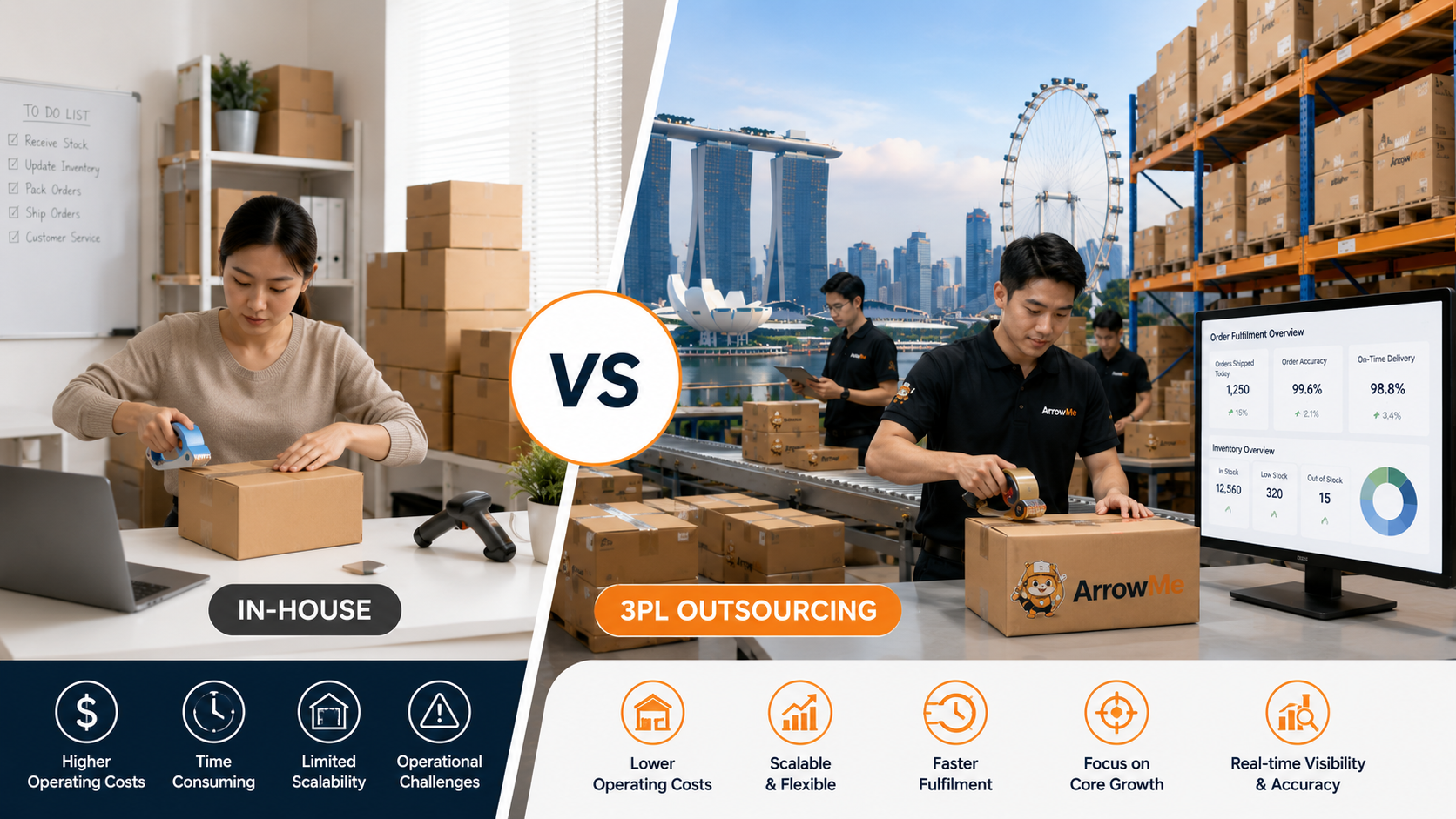
Renting your own space means you control everything but pay fixed costs (rent, labor, systems) regardless of volume. A 3PL converts those fixed costs to variable, pay-per-use fees, giving you flexibility and reducing risk. Most SMEs find 3PLs 20–30% cheaper at volumes under 2,000 orders/month.
Q: Are there any fulfillment warehouses in Singapore with no minimum order commitments?
Yes. ArrowMe offers flexible, no-minimum plans where you only pay for storage used and orders processed. These are specifically designed for SMEs and growing brands.
Q: How does inventory management in Singapore work if I’m using a flexible 3PL?
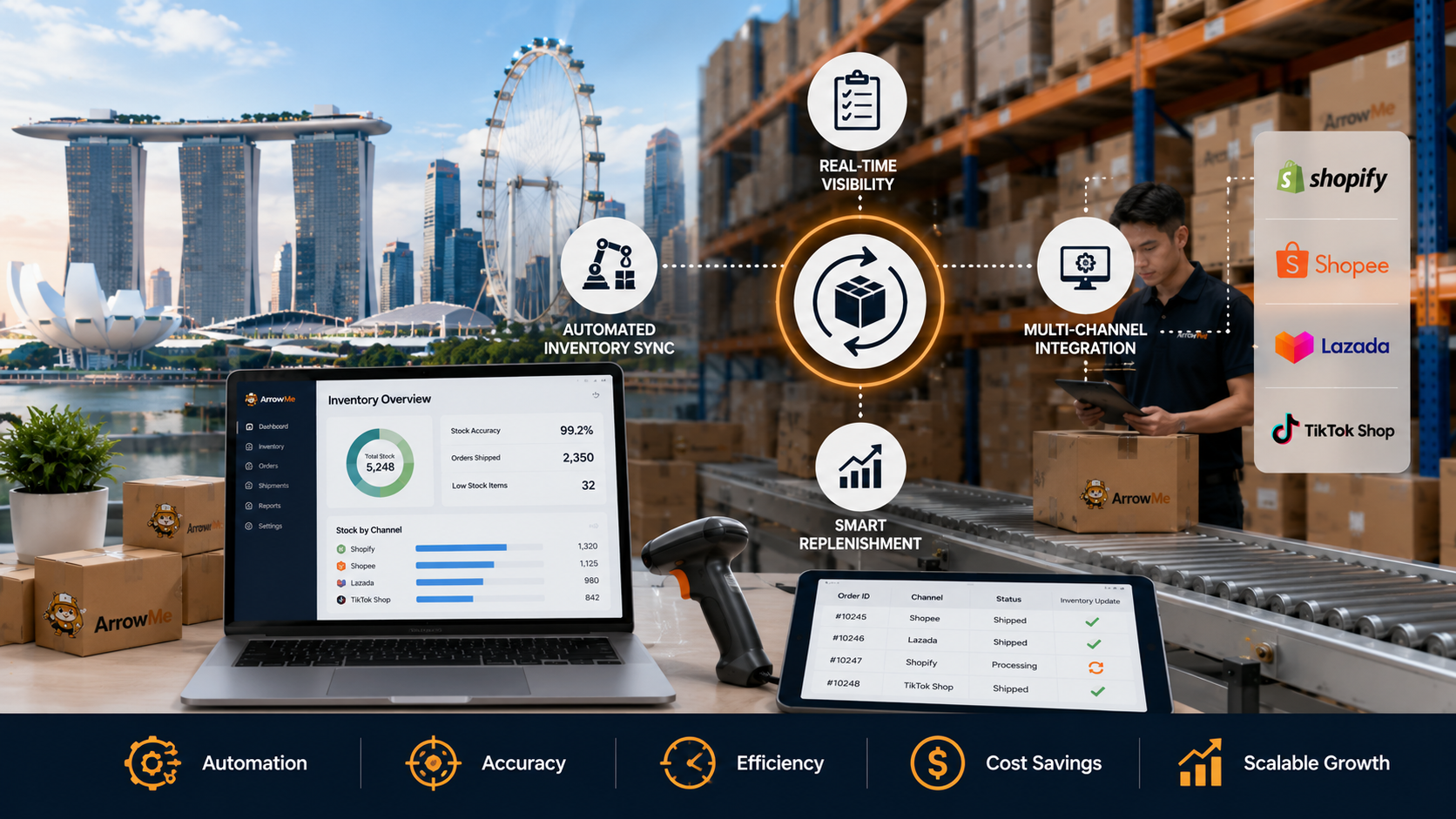
Professional inventory management in Singapore through a 3PL includes real-time tracking, multi-channel syncing (Shopee, Lazada, Shopify), cycle counting, and automated reorder alerts—all accessible through your dashboard. This is typically included in base fees, not charged separately.
Q: Should I look for a regional ecommerce logistics hub even if I’m only selling locally now?
If you plan to expand into Malaysia, Indonesia, or other APAC markets within 12–18 months, yes. Starting with a regional ecommerce logistics hub avoids the need to migrate your entire operation later. Many Singapore-based 3PLs offer both local and regional fulfillment from the same facility.
The Path Forward
The reason you can’t find a fulfillment warehouse in Singapore that fits your budget isn’t because you’re being unreasonable. It’s because the traditional warehouse model—long leases, high minimums, fixed costs—was built for established brands with predictable, high volumes.
But Singapore’s ecommerce logistics in Singapore sector is evolving. Flexible 3PLs, shared warehousing, hybrid models, and pay-as-you-use platforms are emerging specifically to serve SMEs at your scale. These providers recognize that the next wave of ecommerce growth comes from hundreds of small brands, not a handful of large ones.
The solution isn’t to stretch your budget to fit into an outdated model. It’s to find the providers building infrastructure designed for exactly where you are right now—and where you’re heading next.
If Michelle could go from “I can’t afford this” to running a profitable, scalable fulfillment operation in three months, you can too. It starts with understanding why the old model doesn’t work, and what the new alternatives actually look like.
- 6Wresearch (2026). “Singapore Warehousing and Storage Market | Outlook 2032.” Retrieved from:
- https://www.6wresearch.com/industry-report/singapore-warehousing-and-storage-market-outlook
- Business Times Singapore (2025). “Singapore industrial market set for ‘uneven growth’ in 2026.” Retrieved from:
- https://www.businesstimes.com.sg/property/singapore-industrial-market-set-uneven-growth-2026
- CBRE Singapore (2025). “Industrial and Logistics Property to Rent in Singapore.” Retrieved from:
- https://www.cbre.com.sg/properties/industrial?location=Singapore&aspects=isLetting
- Clarion Shipping (2025). “Singapore’s Role in Ecommerce Fulfillment for Southeast Asia.” Retrieved from:
- https://www.clarionshipping.com/en-sg/blog/singapore-role-in-ecommerce-fulfillment-for-southeast-asia/
- Cushman & Wakefield (2026). “Industrial & Warehouse Space For Rent | SG.” Retrieved from:
- https://www.cushmanwakefield.com/en/singapore/properties/singapore/industrial-for-rent-singapore
- LinkedIn (2025). “Singapore High-rise Shelf Warehouse Market CAGR 2026-2033.” Retrieved from:
- https://www.linkedin.com/pulse/singapore-high-rise-shelf-warehouse-market-cagr-2026-2033-eplkc
- Locad (2023). “Singapore’s Trusted E-Commerce Fulfillment Center for Online Brands.” Retrieved from:
- https://golocad.com/fulfillment/fulfillment-center-in-singapore/
- Loft Logistics (2025). “Fulfilment Warehouse & Business Storage Solutions Singapore.” Retrieved from:
- https://www.loftlogistic.com/warehouse-storage-services
- Real Estate Asia (2026). “Singapore industrial market to see moderating growth in 2026.” Retrieved from:
- https://realestateasia.com/industrial/news/singapore-industrial-market-see-moderating-growth-in-2026
- Spaceship (2025). “Affordable Office With Storage Space For Small Business In Singapore.” Retrieved from:
- https://www.spaceship.com.sg/office-space-storage
- uParcel (2026). “Warehouse Fulfillment for Retail in Singapore.” Retrieved from:
- https://www.uparcel.sg/blog/warehouse-fulfillment-for-retail-in-singapore