Last month, I spoke with the founder of a direct-to-consumer wellness brand that was doing everything right for ecommerce logistics in Singapore—or so she thought. Her product had strong reviews. Her Instagram was growing. Ads were converting. But repeat purchase rates were dropping, and customer service was drowning in “Where’s my order?” tickets.
The problem wasn’t her product. It was her ecommerce logistics in Singapore.
She isn’t alone. Across Singapore’s competitive ecommerce landscape, brands are unknowingly bleeding customers because of invisible logistics failures—stockouts that shouldn’t happen, delivery delays that erode trust, and inventory errors that create refunds instead of repeat buyers. The frustrating part? Most of these issues are completely preventable.
If you’ve noticed customers placing one order and never coming back, or if your support inbox is full of delivery complaints, this article will show you exactly what’s breaking—and more importantly, how to fix it.

How to Prevent Late Deliveries?
The Real Cost of Poor Ecommerce Logistics in Singapore
Let’s start with the data, because this isn’t just about “customer experience”—it’s about revenue.
Research shows that 58% of customers will abandon a retailer after a poor delivery experience, and a staggering 79% won’t return after a late delivery. In Singapore, where next-day delivery has become the baseline expectation, this is even more pronounced. When Primer surveyed Singaporean consumers in 2023, they found that 62% will abandon their cart if delivery costs are too high, and over 90% of customer complaints in Southeast Asian ecommerce are related to late delivery or lack of communication about delivery status.
Here’s what that means in practical terms: if your ecommerce logistics in Singapore causes just 100 customers per month to have a negative experience, and your average customer lifetime value is $300, you’re losing $174,000 annually ($300 × 58% churn rate × 100 customers × 12 months). That’s before you account for the negative reviews that deter new customers from ever placing that first order.
The brands winning in Singapore right now—the ones with 30-40% repeat purchase rates and growing profitably—have one thing in common: they’ve made ecommerce fulfilment in Singapore a strategic priority, not just an operational afterthought.
The 5 Logistics Problems Silently Killing Your Business
Problem 1: Your Inventory System Is Lying to Your Customers
You’ve seen this before: a customer places an order. Your system confirms it. Two days later, you realize the item is actually out of stock. Now you’re issuing a refund, sending an apology email, and hoping they’ll give you another chance. Most won’t.
This happens when your inventory management in Singapore isn’t operating in real time. If your ecommerce platform syncs with your warehouse once or twice daily—or worse, manually—there’s a window where your website is promising inventory you don’t actually have. According to industry data, businesses with inventory accuracy below 95% face frequent stockouts, overselling incidents, and shipping errors that directly erode customer trust.
Why it matters: When customers can’t trust your stock levels, they stop buying from you and go to competitors who can promise reliable availability.
Problem 2: Your Warehouse Is Slowing Everything Down
Singapore customers expect fast fulfilment. Same-day or next-day delivery isn’t a premium service anymore—it’s table stakes, especially for customers shopping on Shopee, Lazada, and TikTok Shop.
But if your warehouse team is still picking orders manually without directed workflows, searching for products based on memory, and discovering errors only at the packing stage, you’re adding 24-48 hours to every order cycle. That delay compounds when you’re managing multiple sales channels and peak season volumes.
A poorly organized fulfillment warehouse in Singapore—one without proper slotting strategies, barcode verification, or wave picking—turns a 12-hour order cycle into a 48-hour one. And in ecommerce, every extra day is a customer satisfaction point lost.
Why it matters: Speed is a competitive differentiator. Brands that consistently ship within 24 hours see repeat purchase rates 20-30% higher than those that don’t.
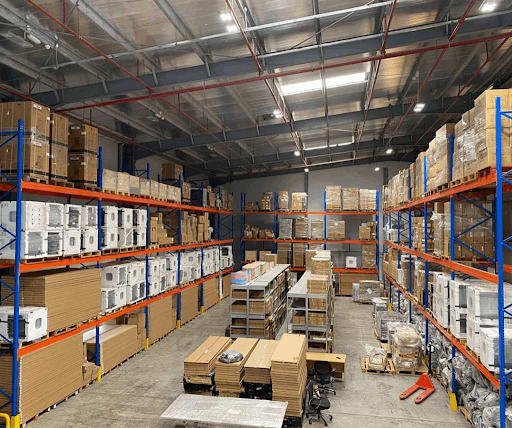
Warehouse Storage & Order Fulfillment- SINGAPORE – Clarion
Problem 3: Your Carrier Network Can’t Handle Your Growth
When you’re shipping 50 orders a day, you can get by with one or two courier relationships. At 500 orders a day—especially across Singapore, Malaysia, and beyond—you need carrier redundancy, volume-based pricing, and route optimization.
Most growing brands don’t have the leverage to negotiate meaningful carrier rates. A single ecommerce business shipping 10,000 parcels per month pays published rates. A professional third-party logistics provider consolidating volume across dozens of clients ships hundreds of thousands of parcels monthly and unlocks carrier discounts of 20-30% below standard pricing.
Beyond cost, there’s the delivery experience itself. Failed first-delivery attempts are one of the top frustrations for Singaporean consumers. If your carrier doesn’t provide real-time tracking updates, flexible delivery windows, or proper notifications, customers are left guessing—and frustrated.
Why it matters: Last-mile delivery accounts for up to 53% of total shipping costs. Better carrier relationships directly protect your margins while improving customer satisfaction.
Problem 4: You’re Treating Returns as an Afterthought
Returns aren’t just a “customer service issue”—they’re an inventory management in Singapore problem. Ecommerce return rates run between 20-30%, nearly triple the 8-10% seen in traditional retail. If your returns process involves piling items in a corner and processing them “when someone gets to it,” you’re losing money twice: once on the original return, and again by failing to restock sellable units quickly.
Without a structured returns workflow—inspect, grade, restock or quarantine, update inventory—your system continues showing items as “sold” even though they’re physically back in your warehouse. That creates phantom stockouts and unnecessary reorders.
Why it matters: Fast, accurate returns processing can increase your available inventory by 15-20% without new purchasing, directly improving cash flow and product availability.
Problem 5: You Are Managing It All Yourself
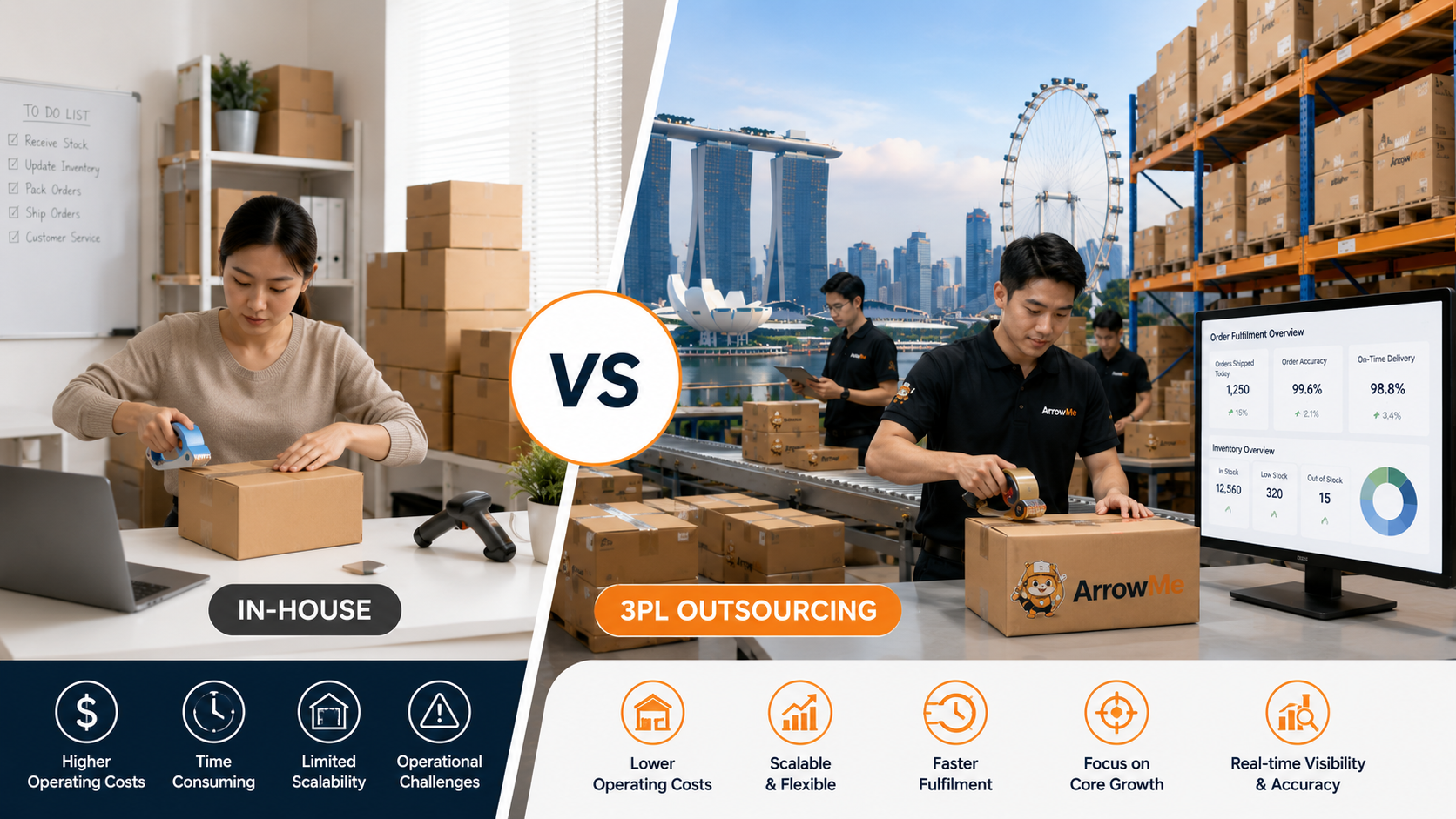
This one hits hardest: you’re spending 15-20 hours per week managing warehouse operations, carrier relationships, inventory spreadsheets, and fulfilment fires—time that should be spent on product development, marketing strategy, and customer acquisition.
There’s a hidden cost here that most founders don’t calculate: opportunity cost. Every hour you spend fixing a picking error or chasing a courier is an hour you’re not spending on activities that actually grow the business.
Why it matters: Your competitive advantage isn’t running a warehouse—it’s your brand, your products, and your customer relationships. Outsourcing logistics lets you focus on what actually differentiates you.
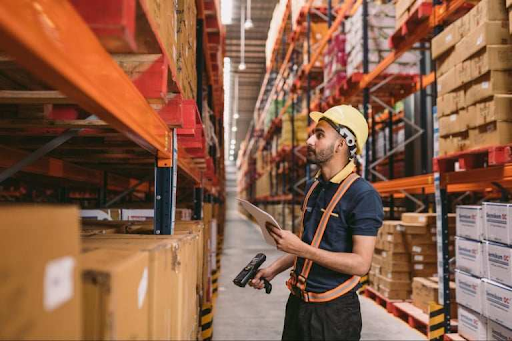
E-Commerce Warehouse Management Systems — Katana
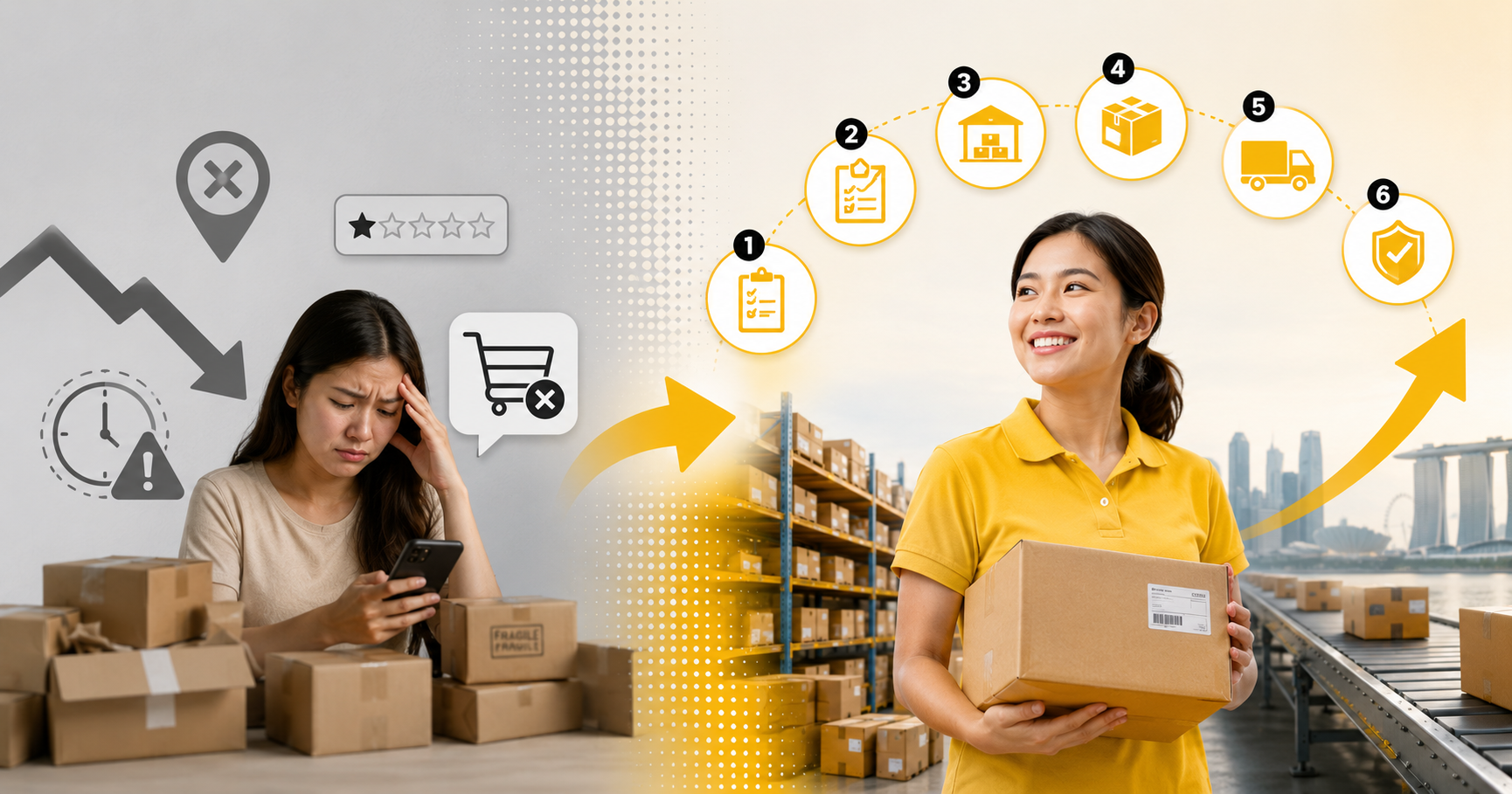
The 6-Step Fix That Actually Works in 2026
Step 1: Move to Real-Time Inventory Visibility Across All Channels
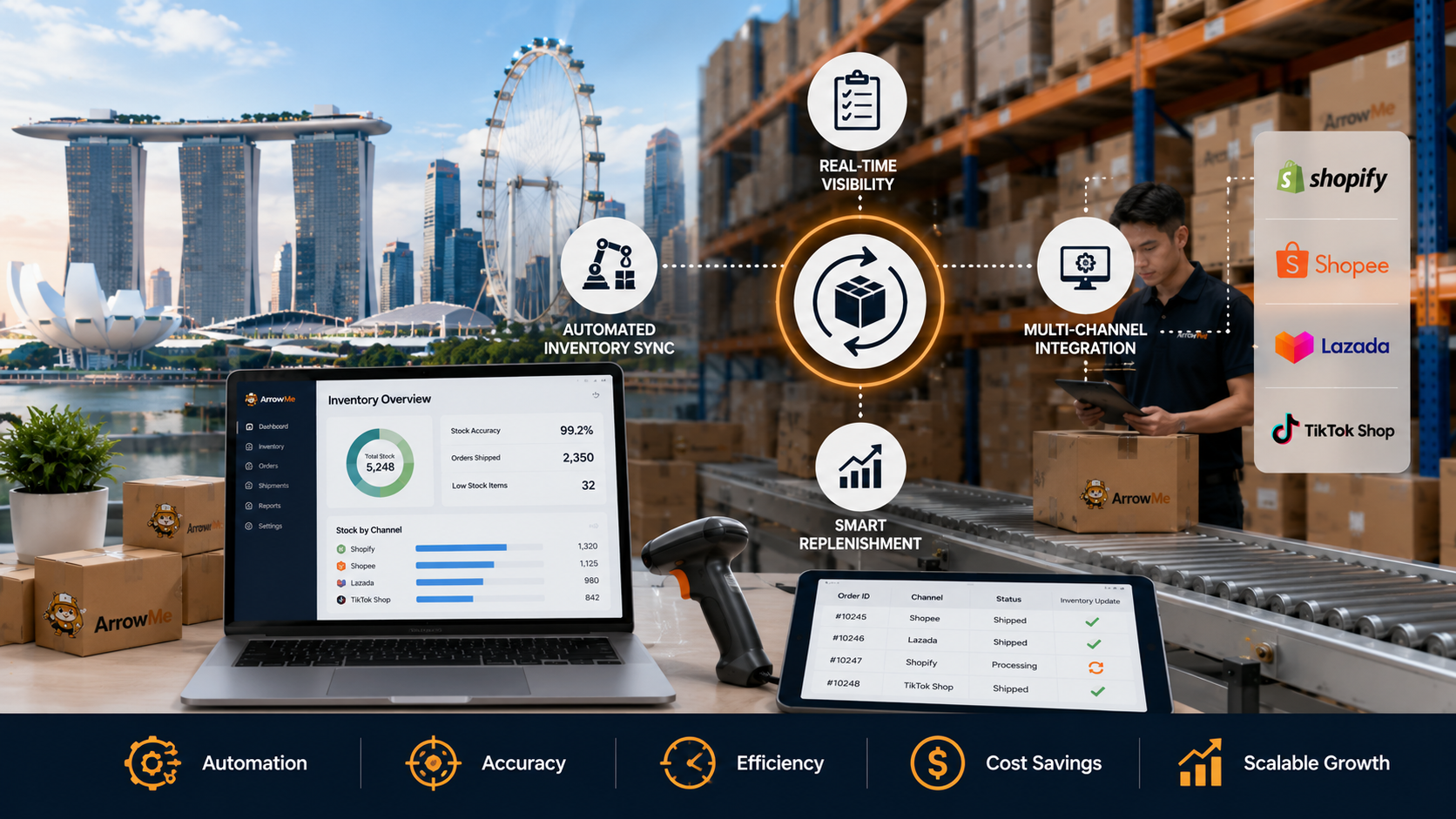
The foundation of reliable ecommerce logistics in Singapore is accurate, real-time inventory. Your warehouse management system should integrate directly with every sales channel you operate—Shopify, Shopee, Lazada, TikTok Shop, your D2C store—so that every sale, every return, and every stock receipt updates instantly across all platforms.
This eliminates overselling, prevents phantom stock situations, and gives you the confidence to run promotions without worrying about stockouts. Look for a fulfillment warehouse in Singapore that offers native API integrations, not batch syncing or manual CSV uploads.
Action item: Audit your current inventory sync frequency. If it’s anything longer than “real-time” or “every few minutes,” that gap is where your customer experience is breaking.
Step 2: Implement Directed Picking and Barcode Verification
Speed and accuracy in order fulfilment come from removing guesswork. Directed picking means your warehouse management system tells staff exactly which items to pick, in what sequence, and from which location. Barcode verification ensures they’re picking the correct SKU before it goes into the box.
This combination typically improves order accuracy from 96-97% (manual operations) to 99%+ (scan-verified workflows) while reducing pick time per order by 40-50%. Those aren’t marginal gains—they’re transformational changes that show up immediately in customer satisfaction scores.
Action item: If you’re managing your own warehouse, invest in handheld barcode scanners and warehouse management software. If you’re outsourcing, ask your prospective logistics partner what their order accuracy rate is—anything below 99% is a red flag.
Step 3: Partner With a 3PL That Has Multi-Carrier Relationships
A professional third-party logistics provider maintains active relationships with multiple carriers—DHL, FedEx, Ninja Van, J&T Express, SPX and others—and routes each shipment to the most suitable carrier based on destination, parcel size, and service level requirements.
This diversification protects you from single-carrier service disruptions and gives you access to volume-based pricing that individual brands can’t negotiate independently. Beyond cost savings, multi-carrier operations improve delivery success rates because the 3PL can dynamically reroute shipments when one carrier is experiencing delays.
Action item: When evaluating a 3PL provider, ask specifically: “How many last-mile carriers do you work with in Singapore and the region?” and “How do you determine which carrier handles which orders?”
Enhancing E-Commerce Logistics in Vietnam with The OSL Group
Step 4: Build a Structured Returns Process Into Your Operations
Returns should follow the same disciplined workflow as outbound orders: receive the item, inspect condition, grade it (resellable, refurbish, discard), update inventory immediately, and restock sellable units.
A well-managed ecommerce fulfilment in Singapore operation processes returns within 24-48 hours and restocks saleable items immediately, making them available for the next customer. This reduces your need to carry excess safety stock and improves cash flow by turning returned inventory back into revenue faster.
Action item: Map out your current returns journey from customer drop-off to restocking. Identify every delay point and implement process improvements or outsource to a fulfillment warehouse in Singapore that has returns management built into its standard service.
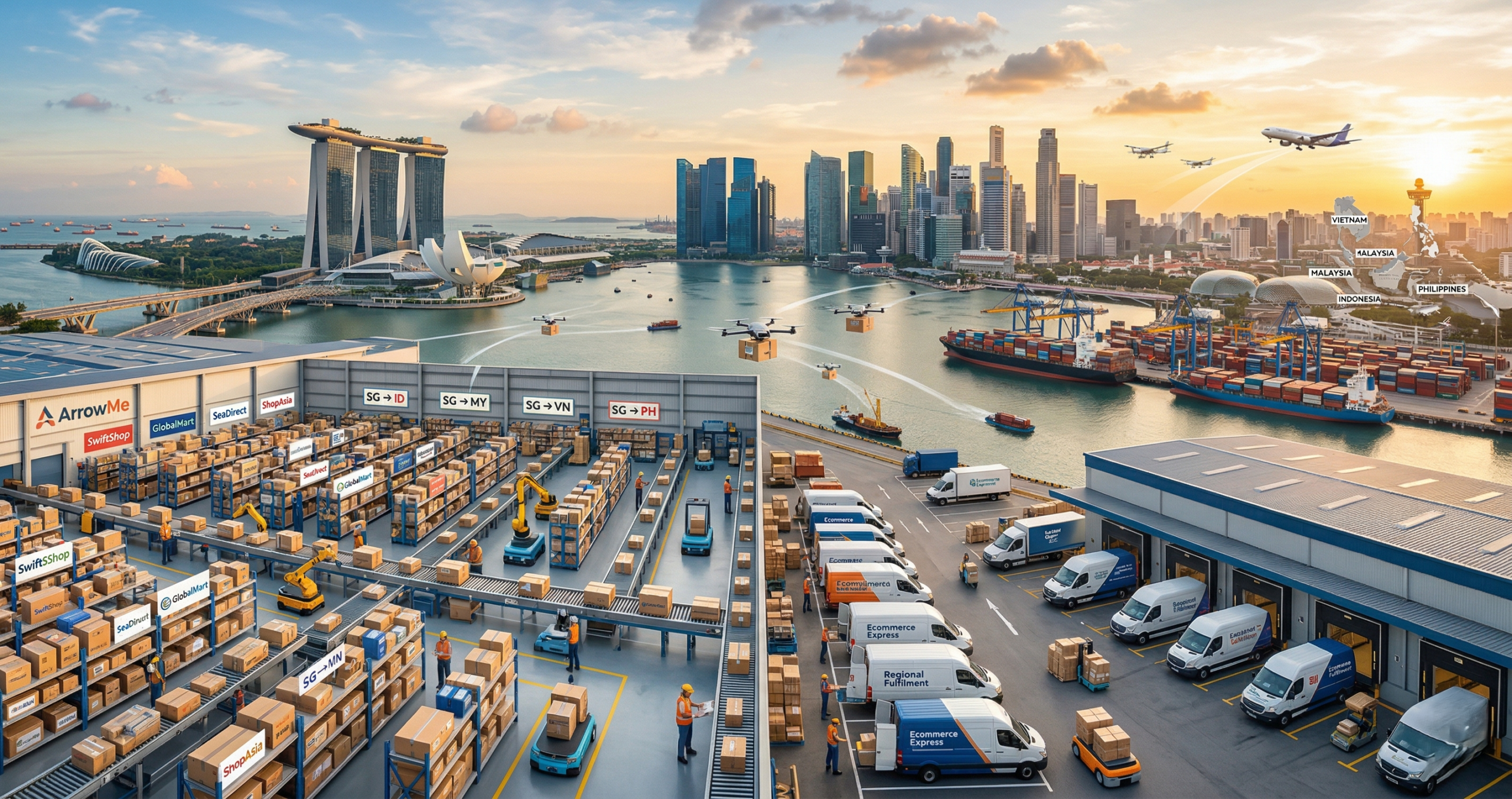
Step 5: Use a Regional Ecommerce Logistics Hub for APAC Expansion
If your growth strategy includes expanding beyond Singapore into Malaysia, Indonesia, Thailand, or other Southeast Asian markets, don’t build separate warehousing in each country. That’s capital-intensive, operationally complex, and slow.
Instead, work with a regional ecommerce logistics hub that consolidates inventory in Singapore and distributes across APAC through established cross-border carrier networks. Singapore’s Free Trade Zone facilities, streamlined customs infrastructure, and central geographic position make it the ideal anchor point for regional distribution.
Action item: When choosing a logistics partner, prioritize those with proven cross-border fulfilment capabilities and existing carrier relationships in your target markets. Ask for case studies or references from brands that have scaled regionally through their infrastructure.
Step 6: Implement Proactive Communication and Tracking for Ecommerce Logistics in Singapore
Over 90% of ecommerce complaints in Southeast Asia relate to lack of communication about delivery status. Customers don’t always need faster delivery—but they always need visibility.
Your ecommerce logistics in Singapore setup should automatically send real-time notifications: order confirmed, order picked, order dispatched, out for delivery, delivered. These updates reduce “Where is my order?” support tickets by 40-50% and improve customer satisfaction even when deliveries take longer than expected.
Action item: Audit your current post-purchase communication flow. Ensure customers receive at least four touchpoints between order placement and delivery, with live tracking links included in every message.
What This Looks Like in Practice: A Real Example for Ecommerce Logistics in Singapore
I’ll return to the wellness brand founder I mentioned at the start. After our conversation, she made three changes:
- She moved inventory management from spreadsheets to a real-time WMS integrated with her Shopify store and marketplace listings
- She partnered with a 3PL provider in Singapore that offered barcode-verified picking and multi-carrier shipping
- She implemented automated post-purchase notifications with live tracking
Within 60 days:
- Her “Where’s my order?” support tickets dropped by 65%
- Repeat purchase rate increased from 18% to 31%
- Order cycle time compressed from 48-72 hours to consistently under 24 hours
- Customer reviews mentioning delivery issues fell from 22% to under 5%
The financial impact? Her customer acquisition cost stayed the same, but lifetime value increased by approximately 40% because customers were actually staying for second and third purchases. That’s the compounding effect of fixing ecommerce logistics in Singapore—it doesn’t just solve operational problems; it fundamentally changes your unit economics.
Frequently Asked Questions
Q: At what order volume should I consider outsourcing ecommerce fulfilment in Singapore?
Most brands find outsourcing financially beneficial starting around 300-500 orders per month. At this volume, the 3PL’s carrier rate savings and operational efficiency typically offset per-order service fees. The operational benefits—freeing your team to focus on growth—apply at almost any volume.
Q: Will I lose control of my inventory and fulfilment if I outsource?
No. A well-integrated 3PL provider gives you more visibility, not less. Real-time dashboards, live order tracking, and detailed performance reports mean you have better oversight than most brands achieve managing operations in-house. You retain complete control over packaging standards, SLAs, and brand experience.
Q: How long does it take to transition to a new logistics partner?
Most transitions take 45-75 days from signed agreement to full live operation. This includes technology integration, inventory migration, staff training, and a parallel-running pilot period where both systems operate simultaneously to validate accuracy before committing full volume.
Q: What should I look for when choosing a fulfillment warehouse in Singapore?
Prioritize these factors: real-time platform integration (not batch syncing), documented order accuracy above 99%, transparent and scalable pricing, multi-carrier relationships, regional cross-border capabilities, and proactive account management. Ask for references from brands at your current stage and your growth stage.
Q: How much can better ecommerce logistics actually improve repeat purchase rates?
Industry data shows that brands delivering on schedule maintain 97% customer retention, while those with frequent delays see retention drop to around 42%. Companies that improve delivery performance typically see repeat purchase rates increase by 20-30% within 90 days.
The Bottom Line
Your ecommerce logistics in Singapore isn’t just about moving boxes. It’s the operational infrastructure that either keeps your brand promise or breaks it. When logistics works correctly—real-time inventory, fast accurate fulfilment, reliable delivery, transparent tracking—it becomes invisible to customers. They simply receive what they ordered, when you promised it, and they come back for more.
When it doesn’t work, logistics becomes the only thing customers remember about your brand—and not in a good way.
The brands scaling successfully in Singapore’s ecommerce market in 2026 have recognized this reality. They’ve moved from treating logistics as a cost center to treating it as a customer retention mechanism. They’ve outsourced operations to specialists so they can focus on what actually differentiates their business: products, brand, and customer relationships.
The fix isn’t complicated. It’s six deliberate steps that shift your operation from reactive firefighting to proactive systems. The question is: how many more customers will you lose before you make that shift?
- Alexander Jarvis (2025). “What is Churn Rate Linked to Shipping in Ecommerce.” Retrieved from: https://www.alexanderjarvis.com/what-is-churn-rate-linked-to-shipping-in-ecommerce/
- BigCommerce (2025). “Ecommerce Logistics Optimization Guide (2026).” Retrieved from: https://www.bigcommerce.com/articles/ecommerce/ecommerce-logistics/
- Clarion Shipping (2025). “Singapore’s Role in Ecommerce Fulfillment for Southeast Asia.” Retrieved from: https://www.clarionshipping.com/en-sg/blog/singapore-role-in-ecommerce-fulfillment-for-southeast-asia/
- DHL (2026). “Reset Your E-Commerce Logistics for 2026 Success.” Retrieved from: https://www.dhl.com/discover/en-za/e-commerce-advice/e-commerce-best-practice/reset-your-e-commerce-logistics-for-2026-success
- EP Logistics (2025). “10 Benefits of Outsourcing eCommerce Fulfillment.” Retrieved from: https://eplogistics.com/blog/ecommerce-outsourcing/
- FedEx Singapore (2026). “Key E-Commerce Trends For Singapore SMEs To Stay Competitive.” Retrieved from: https://www.fedex.com/en-nz/business-insights/sme/e-commerce-trends-for-singapore-smes-to-stay-ahead.html
- Kensium (2025). “Ecommerce Shipping Delays: How Delivery Issues Hurt Brands.” Retrieved from: https://www.kensium.com/blog/shipping-snafus-are-delivery-delays-ruining-your-reputation
- Locus (2026). “3PL Last Mile Delivery: How It Improves Logistics in 2026.” Retrieved from: https://blog.locus.sh/3pl-last-mile-delivery/
- Microchannel (2025). “How Inventory & Warehouse Management Impacts Customer Satisfaction.” Retrieved from: https://www.microchannel.com.au/articles/how-your-inventory-and-warehouse-management-affects-customer-satisfaction/
- Parcel Perform & iPrice Group (2019). “The Biggest Pain Point in E-Commerce in Southeast Asia.” Retrieved from: https://www.parcelperform.com/insights/delivery-the-biggest-pain-point-in-e-commerce-in-southeast-asia
- Primer (2023). “Delivery issues, payment security, and checkout speed among main concerns for Singaporean consumers.” Retrieved from: https://thedigitalbanker.com/delivery-issues-payment-security-and-checkout-speed-among-main-concerns-for-singaporean-consumers/
- Rackbeat (2024). “How Inventory Management Can Improve Customer Satisfaction.” Retrieved from: https://rackbeat.com/en/how-inventory-management-can-improve-customer-satisfaction/
- RFgen (2018). “Inventory Accuracy Challenges and How to Overcome Them.” Retrieved from: https://www.rfgen.com/blog/why-inventory-accuracy-matters/